
The FDA finalized a new proactive food chemical safety post-market assessment program and launched formal reassessments of butylated hydroxytoluene (BHT) and azodicarbonamide (ADA) — two additives used across bread, cereals, packaged foods, and food packaging. The agency issued requests for information on their use and safety profiles.
Healthcare & FDA
FDA's BHT and ADA Reassessment Puts Food Additive Users on Notice — and Creates an Opening for Clean-Label Suppliers
A formal safety review of two widely used food additives is the kind of regulatory uncertainty that reshuffles ingredient supply chains.
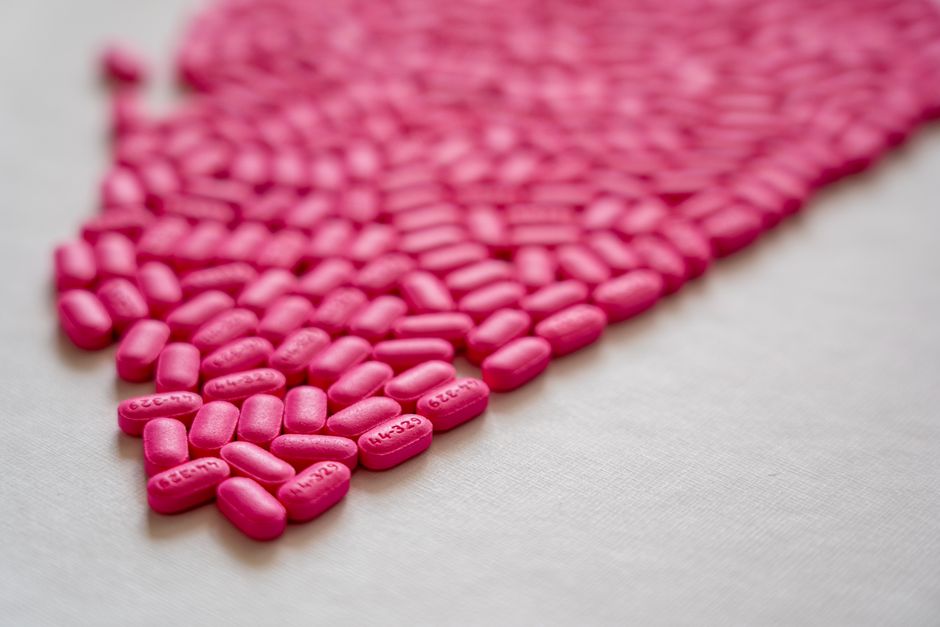
The FDA doesn't need to ban BHT or ADA to move markets — a formal reassessment is enough to force reformulation decisions at every major food company that uses them.
Who cashes in: Companies already positioned in clean-label or additive-free formulations gain a competitive narrative advantage. Hain Celestial HAIN and TreeHouse Foods (THS) market natural and clean-label products and benefit from any regulatory pressure that pushes consumers or retailers away from conventional additives. Ingredient suppliers offering natural alternatives to BHT — such as rosemary extract antioxidants — are mostly private, but Balchem Corporation BCPC supplies specialty food ingredients and could see demand for alternative preservation systems. International Flavors & Fragrances (IFF) has a food ingredients division that includes natural antioxidant systems.
Who's exposed: Flowers Foods FLO, Bimbo Bakeries (private, Mexican parent), and large bread and packaged-food manufacturers that rely on ADA as a dough conditioner face reformulation costs if the reassessment leads to restrictions. Kraft Heinz KHC and Conagra CAG use BHT as a preservative across multiple product lines. The risk isn't an immediate ban — the FDA's reassessment process is slow — but the regulatory overhang creates pressure to reformulate proactively, which costs money and can disrupt supply chains.
What to watch: The FDA's timeline for completing the reassessment and whether the agency issues interim guidance or voluntary phase-out requests before a final ruling. A voluntary phase-out request would be the catalyst that forces immediate reformulation spending across the packaged-food sector.
Source: original report ↗
Free alerts
Free: catalyst alerts, straight to your inbox.
Get the White House orders, federal contracts, and FDA decisions that move money — with who cashes in — free. Unsubscribe in one click.
Free · weekly · unsubscribe anytime. Privacy.
Stay three moves ahead of every practice in your market.
Knowing it happened is table stakes. Money Racket Pro hands you the play — what each move means for your margins, your license, and your patients, and exactly what to do about it — in a two-minute brief, twice a week. The owners who read it never get blindsided.
Get the edge · $40/moJoin the owners who run ahead of the industry. Cancel anytime, one click.