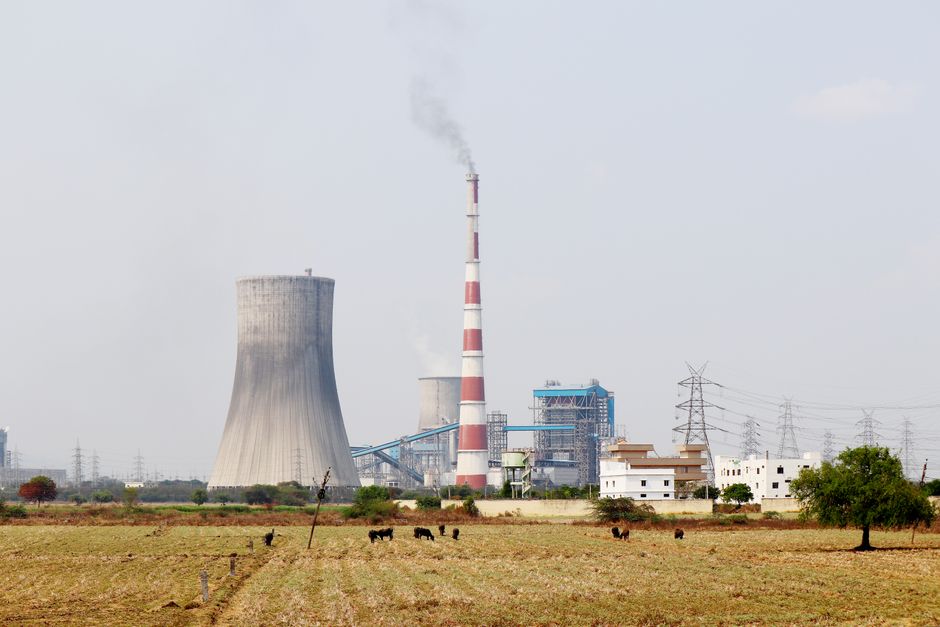
President Trump approved a landmark civil nuclear cooperation agreement with Saudi Arabia, according to the Wall Street Journal. The deal is expected to permit uranium enrichment on Saudi soil under U.S. oversight and opens the door for American companies to build and supply nuclear reactors in the Kingdom — one of the largest planned nuclear buildouts in the world.
Energy
Trump Signs the Saudi Nuclear Deal — and U.S. Uranium and Reactor Companies Are the Quiet Winners
A landmark civil nuclear agreement with Saudi Arabia opens a multi-decade construction and fuel market for American nuclear firms.
1-YEAR MOVE
LEU
▼30.2%
SMR
▼47.1%
| Ticker | Company | 1-year change |
|---|---|---|
| LEU | Centrus Energy | −30.2% |
| SMR | NuScale Power | −47.1% |
Free alerts
Free: catalyst alerts, straight to your inbox.
Get the White House orders, federal contracts, and FDA decisions that move money — with who cashes in — free. Unsubscribe in one click.
Free · weekly · unsubscribe anytime. Privacy.
Centrus enriches uranium domestically — any U.S.-sourced fuel requirement in the Saudi deal is a direct revenue line.
Who cashes in: Westinghouse Electric is the most direct beneficiary, but it is privately held (owned by Brookfield Asset Management, BAM). The closest U.S.-listed proxy is BWX Technologies BWXT, which manufactures nuclear components and fuel assemblies and would supply any Westinghouse-built Saudi reactors. Centrus Energy LEU enriches uranium domestically and is a direct play on any U.S.-sourced fuel supply requirement written into the agreement. NuScale Power SMR has been marketing small modular reactors to Gulf states and a Saudi deal normalizes that sales pipeline. Uranium miners like Uranium Energy Corp UEC and Energy Fuels UUUU benefit from any signal that U.S. enrichment capacity needs to expand.
Who's exposed: South Korean and French reactor builders (KEPCO, EDF) had been competing for Saudi contracts. A U.S.-Saudi agreement that favors American technology effectively sidelines them for the initial tranche of reactors. Russian state nuclear firm Rosatom, which had been in discussions with Riyadh, is the biggest loser — though it is not publicly traded.
What to watch next: Whether Congress raises objections under the Atomic Energy Act's Section 123 agreement process, and whether the deal includes a formal prohibition on Saudi enrichment (the so-called "gold standard"). If enrichment is permitted, Centrus and domestic uranium names move more.
Source: original report ↗
Knowing who cashed in is only half the trade.
Every catalyst has a second move — the supplier, the sector, the part already priced in. Money Racket Pro hands you that read on every policy event, plus the pre-market brief six mornings a week, before the open.
Get the edge · $40/moJoin the readers who get there before the financial press. Cancel anytime, one click.