
Defense
The latest in defense for medical-aesthetics practice owners.
 Defense
BlackSky Lands Multi-Year Satellite Contract
International defense deal locks in recurring revenue for geospatial intelligence provider.
 Defense
IonQ Lands $28M U.S. Defense Quantum Contract
Trapped-ion quantum startup wins federal validation and revenue for defense applications.
 Defense
Trump Pushes $1.5T Defense Budget—Lockheed, RTX, GD Lock in Gains
Massive spending increase flows directly to prime contractors and their supply chains.
 Defense
Pentagon Awards Space-Based Target Tracking Contracts
New contracts for airborne surveillance systems boost defense contractors with satellite and sensor expertise.
 Defense
Rising Defense Spending Lifts Northrop Grumman Outlook
Increased Pentagon budget supports NOC's missile, space, and cyber divisions.
 Defense
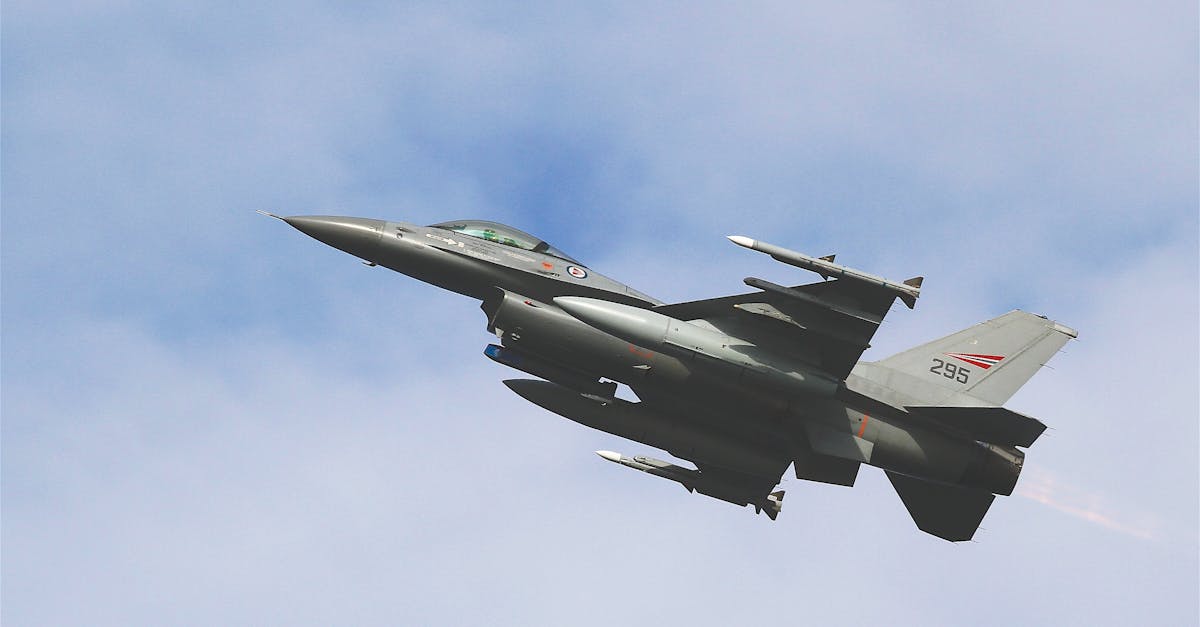
House Passes $95B Iran War Package—Defense Contractors Lock in Revenue
Republican spending bill funds combat operations and Trump priorities; missile, drone, and logistics suppliers benefit.
 Defense
House Passes $1.15T Defense Bill—Lockheed, Raytheon, General Dynamics Lock in Revenue
Record defense spending bill funds missile defense, shipbuilding, and next-gen air platforms—direct wins for prime contractors.
 Defense
Pentagon Awards Largest F-35 Spare Parts Contract—Lockheed Locks in Sustainment Revenue
Record spare parts order extends Lockheed's F-35 cash flow; supply chain contractors gain multi-year visibility.
 Defense
Pentagon Awards Oracle $7B Software Consolidation Deal—Cloud Incumbents Face Pressure, Oracle Locks in Defense Revenue
A massive software consolidation contract gives Oracle a multi-year defense foothold and signals Pentagon shift away from fragmented legacy systems.
 Defense
Rocket Lab Wins $266M Space Force Missile Defense Contract—Suborbital Launch Niche Gets Federal Validation
A record contract for suborbital launches signals Pentagon confidence in Rocket Lab's small-lift capability and threatens traditional launch incumbents.
Defense
Rocket Lab Wins $266M Space Force Contract—Suborbital Launch Capability Becomes Defense Asset
Rocket Lab's small-lift launch business gets Pentagon validation; competitors face pressure.
 Defense
Pentagon Awards Oracle $7B Software Consolidation Deal—Largest Defense IT Overhaul in Years
Oracle locks in massive Pentagon contract; competitors like Microsoft and Salesforce shut out.
Defense
House Passes $1.15 Trillion Defense Bill—Lockheed, Raytheon, and General Dynamics Positioned for Record Spending
Historic defense spending bill locks in multi-year contracts for major primes; smaller contractors face consolidation pressure.
Defense
Pentagon Awards Oracle $7B Software Consolidation Deal—Direct Win for Oracle, Pressure on Smaller Defense IT Rivals
Oracle lands massive DoD software licensing and consolidation contract; competitors like Booz Allen and Leidos face margin pressure.
 Defense
Pentagon's $7B Oracle Software Deal Is One of the Cleanest Defense-Tech Wins in Years
A single enterprise agreement hands Oracle a guaranteed revenue floor from the world's largest IT buyer.
Defense
The U.S.-Iran War Is Costing $37.5B and Counting — Here's Where That Money Goes
Active combat, a $1.5 trillion defense budget proposal, and a stalled Strait of Hormuz are a sustained tailwind for a specific slice of defense.
 Defense
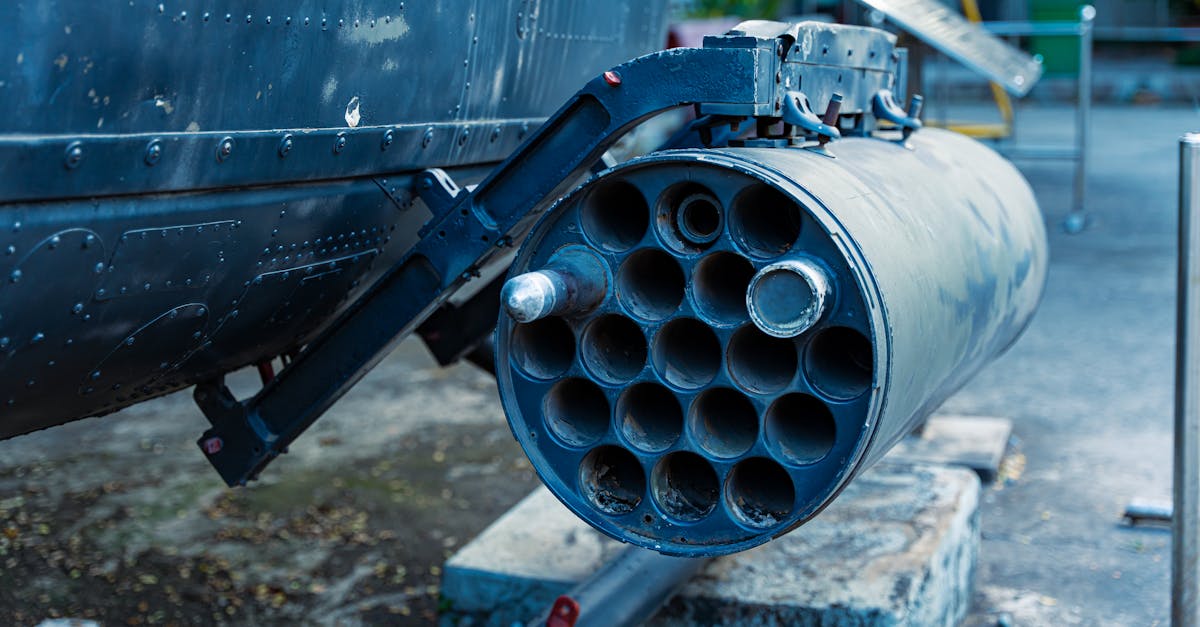
Oracle Lands a $7B Pentagon Software Contract — and the Market Should Take It Seriously
The Defense Department just handed Oracle one of the largest enterprise software agreements in Pentagon history.
 Defense
House Passes $1.15T Defense Bill — Missile Defense, Shipbuilding, and Next-Gen Air Get the Money
The largest defense appropriation in years clears the House, and the spending map points directly at Lockheed, RTX, and Huntington Ingalls.
 Defense
U.S.-Iran Conflict Escalation Stalls Hormuz Shipping — Defense Contractors and Oil Majors Are the Immediate Read
Renewed U.S. airstrikes on Iran and a stalled Strait of Hormuz are a direct revenue event for missile-heavy defense primes and a supply shock for energy markets.
Defense
Pentagon's $80M Drone Defense Contract Points to the Counter-UAS Names Worth Watching
An $80 million award for drone defense systems is small by Pentagon standards but signals which counter-UAS companies are winning the evaluation race.
Defense
U.S.-Iran Escalation and a Stalled Strait of Hormuz Are a Windfall for Tanker Owners and Defense Primes
When the world's most important oil chokepoint goes dark, a specific set of stocks prints money.
 Defense
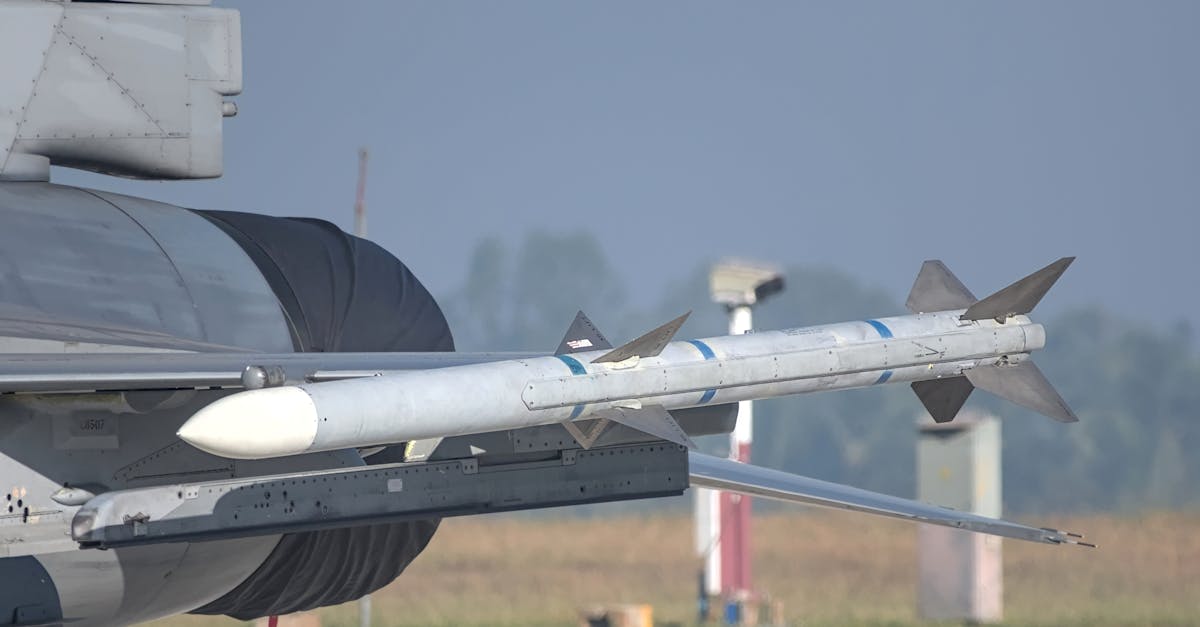
Pentagon's Laser Weapon Contracts for Drone Defense Open a New Revenue Line for Northrop and L3Harris
Directed-energy awards signal the military is finally writing real checks for high-energy laser systems — not just research grants.
 Defense
Johnson's $95 Billion Defense Spending Plan Has Lockheed, RTX, and Northrop Written All Over It
A massive defense supplemental is moving through Congress — the prime contractors who build the hardware it funds are the straightforward beneficiaries.
Defense
Pentagon's Laser Weapon Contracts for Drone Defense Hand a Direct Win to Directed-Energy Specialists
The Defense Department is paying multiple companies to build high-energy lasers that kill drone swarms — and a handful of small-cap defense names stand to collect.
Defense
The UK's £300 Billion Defense Plan Is a Revenue Opportunity for U.S. Contractors — If They Can Win the Bids
Britain's largest peacetime defense buildup in a generation opens procurement windows for U.S. defense primes with established UK relationships.
Defense
NATO Members Racing to 3.5% GDP Defense Spending — U.S. Contractors Are the Biggest Beneficiaries
Five NATO allies have already hit the new 3.5% GDP spending target, and Trump is heading to Turkey to press for more — the order book for U.S. defense primes keeps growing.
Defense
NATO's 3.5% GDP Spending Push Is a Multi-Year Order Book for Lockheed, RTX, and Northrop
Five NATO members already hitting 3.5% of GDP on defense, with Trump pressing for more — the primes with the deepest allied backlogs win.
Defense
NATO's Spending Surge Is Real and Getting Enforced — RTX, Lockheed, and AeroVironment Are the Direct Beneficiaries
Five NATO members already hit 3.5% of GDP on defense; Trump is pressing the rest, and U.S. primes collect the orders.
Defense
NATO's 3.5% GDP Spending Push Is a Multi-Year Order Book for U.S. Defense Primes
Five allies already hitting elevated targets and Trump pressing for more at Ankara means the foreign military sales pipeline just got longer.
Defense
NATO's 3.5% GDP Spending Push Sends a Long-Term Revenue Signal to Raytheon, Lockheed, and Northrop
Five allies already hit the new target, and Trump is pressing the rest — the order book math favors U.S. missile and air-defense primes.
Defense
NATO's 'Report Card' Pressure Means Years of European Defense Spending — RTX and Lockheed Are the First Calls
NATO allies are being pushed toward U.S.-level defense budgets, and the companies that make the missiles and jets they need are American.
Defense
NATO's Spending Surge Is Real — and the US Defense Primes Are the Ones Getting Paid
Allied commitments to hit 3–5% of GDP in defense spending flow directly to US weapons manufacturers through foreign military sales and co-production deals.
Defense
Pentagon's $500M Counter-Drone Contract Is a Direct Payday for AeroVironment
The Defense Department just handed AeroVironment its biggest counter-UAS award yet — and the small-cap drone pure-play is the clearest winner.
Defense
The US-Iran Ceasefire Deal Pressures Oil Prices — and Reshuffles the Defense Trade
A preliminary end to hostilities and a 60-day nuclear negotiating clock creates a clear split: energy names face a supply-return headwind, while missile-defense contractors watch their order pipeline.
 Defense
Pentagon's $500M Counter-Drone Contract Is a Direct Revenue Line for AeroVironment
The award locks in near-term cash flow for AVAV and signals where the next wave of defense dollars is flowing.
Defense
Hegseth's NATO Broadside and European Force Review Put Defense Primes in a Complicated Spot
A U.S. review of forces in Europe creates uncertainty for NATO-linked defense contracts while European rearmament spending accelerates regardless.
Defense
Hegseth's NATO Broadside and Europe Force Review Signal a Shift That Benefits U.S. Primes — at Europe's Expense
A Pentagon review of U.S. forces in Europe, combined with NATO allies scrambling to hit spending targets, redirects defense dollars in ways that favor specific American contractors.
 Defense
Pentagon's $500M Counter-Drone Contract Is a Direct Revenue Line for AeroVironment — and Pressure on Its Rivals
The DoD just handed AeroVironment a half-billion-dollar mandate to kill drones, and the small-cap will feel every dollar of it.
Defense
The U.S.-Iran Ceasefire and $87.6B Pentagon Request Are Two Sides of the Same Defense Spending Boom
A 60-day negotiating clock and a massive replenishment request mean defense contractors get paid whether the deal holds or breaks.
Defense
Lockheed's $35B Interceptor Contract Is the Biggest Missile-Defense Payday in Years — Here's Who Else Gets Paid
The Pentagon is quadrupling interceptor production, and the money flows well beyond Lockheed.
 Defense
The F-35 Sustainment Lock-In: Why the Pentagon's Most Expensive Program Keeps Paying One Company Forever
Lockheed Martin doesn't just build the F-35 — it owns the ecosystem that keeps every jet in the air, turning a weapons program into a perpetual subscription.
Defense
Why L3Harris Is Really a Policy Stock, Not a Hardware Stock
L3Harris's Aerojet Rocketdyne deal turned it into a solid-rocket-motor gatekeeper right as the Pentagon's munitions-replenishment push makes propulsion, not platforms, the real budget chokepoint.
Defense
The Nuclear Triad Upgrade Cycle: Three Legs, Three Winners, Decades of Locked-In Spending
Congress has mandated a full recapitalization of America's nuclear arsenal — and a handful of contractors have no competition for the work.
 Defense
Sentinel vs. Columbia: The Nuclear Triad's Budget Is a Zero-Sum Game
Northrop's ICBM overrun and General Dynamics' submarine delays are fighting for the same finite strategic-deterrent dollar — and Congress can't cut either one.
Defense
The FMS Loophole: How State Department Sign-Offs Insulate Defense Primes From Shutdown Risk
State Department case approvals — not Pentagon appropriations — book years of prime-contractor backlog, and that distinction matters more than shutdown headlines suggest.
 Defense
When the Pentagon Classifies a Budget Line: The Black Budget Trade
The "black budget" isn't a conspiracy theory — it's a line item that grows faster than visible defense spending and rewards exactly two contractors with structural, competition-free revenue.
Defense
HII Is a Congressional Appropriations Bet, Not a Navy Bet
As the sole builder of Navy carriers and one of two submarine yards, Huntington Ingalls' revenue is protected less by Pentagon strategy than by Virginia and Mississippi lawmakers who add ships back into the budget every cycle.
Defense
Who Actually Cashes In on 'Golden Dome': The Subcontractor Layer Behind LMT and RTX
The prime contracts for America's missile shield go to Lockheed, RTX, and Northrop — but the sensor and propulsion suppliers feeding all three at once get paid no matter who wins the lead-integrator fight.
Defense
NATO's 2% Mandate Is a Revenue Stream Disguised as an Alliance Obligation
When European and Asian NATO partners hit their GDP spending targets, the purchase orders land disproportionately on American primes selling interoperable systems through Foreign Military Sales.
Defense
The Drone Proliferation Trade: Washington's Shift to Attritable Unmanned Systems Creates a Recurring Revenue Stream
As Army and Air Force doctrine ditches expensive manned platforms for cheap drones designed to be expended rather than maintained, AVAV and KTOS are sitting on what amounts to a government-mandated subscription business.
Defense
The Loser Nobody Names: Export Controls Squeeze Boeing From Both Sides
Tighter BIS rules on advanced computing and manufacturing exports to China are meant to protect military tech — but Boeing's freshly reintegrated Spirit AeroSystems lines mean the same choke points hit its commercial jets too.
Defense
The Hypersonic Arms Race Has a Bottleneck — and Three Contractors Own It
The Pentagon's dedicated hypersonic office is burning through test range capacity, and LMT, RTX, and NOC hold the contracts that matter most.
 Defense
Sole-Source vs. Full-and-Open: The Slow Bleed in LMT's F-35 Sustainment Machine
The Pentagon's Adaptive Acquisition Framework push for open architectures and competed sustainment work is a multi-year threat to Lockheed's highest-margin F-35 revenue stream, even as the jet's production backlog stays untouchable.
Defense
Leidos Is the Quiet Beneficiary of Every "Modernize Federal IT" Executive Order
While the hardware primes wait on weapons budgets, Leidos cashes checks every time the White House or CISA orders agencies to fix their networks.
Defense
The Pentagon's AI Mandate: Why Defense Data Platforms Are Now a Weapons Program
The DoD's Chief Digital and AI Office is turning data infrastructure into a warfighting requirement — and two companies already living on classified networks are first in line.
Defense
Iron Dome and the FMS Pipeline: How Middle East Tensions Fund Missile Defense Primes
When rockets fly over Tel Aviv, the Pentagon's Foreign Military Sales machine spins up — and RTX and LMT collect the backlog.
 Defense
China's Rare-Earth Squeeze Will Hit Defense Primes Unevenly
China's rare-earth export licensing squeeze doesn't hit all defense primes equally — munitions- and rotorcraft-heavy portfolios at RTX, GD, and LHX carry far more magnet and alloy content per unit than legacy airframe work at LMT or BA.
Defense
RTX's Two-Front Bet: Why Iran Tensions and NATO's 5% Pledge Hit the Same Ticker Differently
Middle East drawdowns and Europe's Hague spending floor are separate policy triggers moving the same stock for unrelated reasons — and single-catalyst coverage keeps conflating them.
Defense
Kratos vs. AeroVironment: Which One Actually Wins the Cheap-Drone-Swarm Pivot
The Pentagon's Replicator-era tilt toward low-cost, attritable drones doesn't lift Kratos and AeroVironment the same way — they sell to different services, at different margins, for different missions.
 Defense
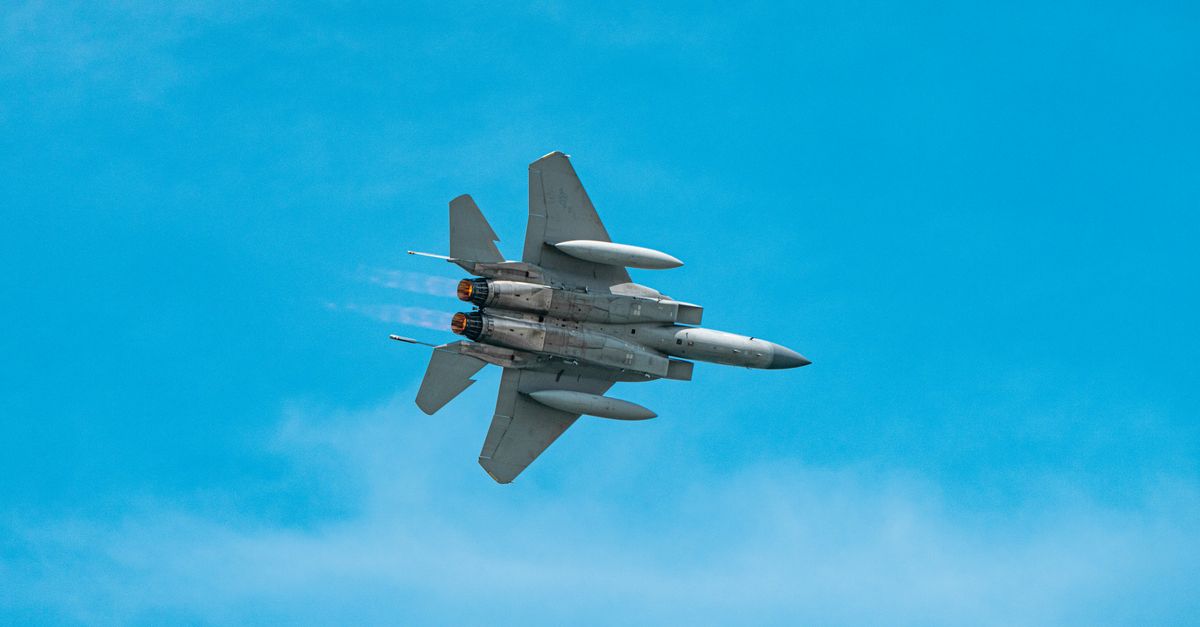
Mercury Systems: The Toll Booth Every Drone and Missile Program Has to Pass Through
Congress just forced billions in extra munitions and missile funding into the Pentagon budget over the White House's own request — and the company that gets paid no matter which missile wins isn't a household name.
Defense
Golden Dome Is a Sensor and Software Story Before It's a Missile Story
Washington hasn't picked an interceptor for its homeland missile shield, but it's already writing billion-dollar checks for the eyes and brain that would run it.
Defense
Axon Is a Homeland-Security Policy Stock Wearing a Police-Gear Disguise
DHS body-camera money and an ICE Taser solicitation written around one company's specs show how homeland-security budgets, not battlefield ones, are Axon's real growth engine.
Defense
Who Actually Builds the Targets: The Overlooked Business Inside Kratos
Missiles get the headlines, but every live-fire test needs something to shoot at first — and Kratos has quietly cornered that recurring, sole-sourced business for over a decade.
Defense
The Space-Based ISR Land Grab Nobody's Pricing In: Rocket Lab's Vertical Integration Bet
A White House-driven pivot to proliferated, responsive small-satellite constellations rewards companies that own the sensor, the bus, and the rocket — and Rocket Lab just bought its way into all three.
Defense
Leidos: The Losing Trade When "Efficiency" Becomes the Watchword in Washington
Washington's "cut the bloat" mandate targets cost-plus IT and staffing contracts, not weapons programs — making Leidos the exposed name and software/hardware substitutes the winners.
Defense
Counter-Drone Spending Is the Quiet Twin of Drone Spending
The FY2026 defense budget quietly funds a mirror-image line for every drone dollar spent — detecting and killing hostile ones — and the radar, EW, and sensor-fusion suppliers behind it are less visible than the drone-maker headlines.
Defense
Elbit's America Problem: What Buy American Rules Really Do to a Foreign Prime
As domestic-content thresholds ratchet toward 75% by 2029, Elbit Systems' sprawling U.S. subsidiary network is the tell on how much of its book must localize — and it's rewriting the competitive map for American-made rivals.
Defense
Palantir's Real Moat Is the Data Rights Clause, Not the AI
As the Pentagon rewrites software acquisition to keep data government-owned but platforms vendor-owned, PLTR's Foundry/Gotham licensing is built to survive every contract rebid and rename.
Defense
HII vs. General Dynamics: Who Wins the Submarine Industrial Base Money
Congress keeps writing multibillion-dollar checks to fix the submarine supply chain, but the two yards splitting that money — Electric Boat and Newport News — aren't splitting it evenly.
Defense
Why BWXT Is Really a Policy Stock, Not an Industrial One
BWXT isn't a nuclear-power stock — it's the only legal fabricator of naval reactors in America, and its backlog rises and falls with Navy shipbuilding bills, not uranium prices.
Defense
AUKUS Pillar I Is a Slow-Burn Catalyst for GD and HII, Not a Pop
The submarine pact pays the U.S. industrial base to expand capacity for years before a single hull ever transfers to Australia — meaning the money moves now, into shipyards and sub-tier suppliers, not into a future headline event.
Defense
Leidos: The Non-Obvious Beneficiary of Navy Digital and Sustainment Modernization
The Navy's predictive-maintenance and IT-modernization dollars run through O&M and RDT&E lines that never appear in shipbuilding headlines — and Leidos is positioned to collect them for years.
Defense
The Real Winner Behind the Navy's Shipbuilding "Get Well" Plan Is Second-Tier Suppliers, Not the Primes
Congress just wrote a check for forgings, castings, and machine tools — not for Newport News or Groton — because the bottleneck in submarine production is no longer the prime yards, it's everyone who feeds them.
Defense
Matson and the Jones Act: The Shipping Monopoly Washington Refuses to Touch
Even a wartime energy waiver in 2026 left Hawaii, Alaska, and Guam cabotage untouched — proof the century-old law protecting Matson's fleet is the most durable moat in American shipping.
Defense
Who Loses if the Navy's 355-Ship Goal Quietly Becomes a 'Right-Sized Fleet' Retreat
GAO and CBO say the Navy can't fund its own shipbuilding plan — so when the force-structure goal quietly shrinks, it's next year's contract awards, not today's backlog, that takes the hit.
Defense
The Law That Guarantees Matson a Buyer, No Matter the Price
A 1954 statute most investors have never heard of forces Washington's food aid and military cargo onto a handful of U.S.-flag ships — and Matson is one of the last companies standing to collect.
Defense
The Refueling Line Nobody Prices Into BWXT
Nobody prices BWXT's naval reactor refueling and overhaul work — a sole-source, budget-cycle-insulated revenue stream distinct from the volatile new-submarine-and-carrier headlines everyone else is watching.
Defense
HII's Mission Technologies: The Unsexy Segment Where Navy Autonomy Dollars Actually Land First
While Wall Street prices HII as a two-shipyard cyclical bet on carriers and submarines, its Mission Technologies division is where the Pentagon's push toward unmanned maritime systems and software-defined warfare is already showing up in the numbers.
Defense
The Space Force Budget Line That Never Goes Away
National Security Space Launch Phase 3 is a standing federal launch machine worth over $19 billion — and RKLB, BA, and LHX are already positioned inside the wire.
Defense
When NASA's Lunar Surface Instrument Contracts Drop, LUNR Is First in Line
Intuitive Machines holds the pole position inside NASA's $2.6 billion Commercial Lunar Payload Services IDIQ — every White House lunar priority is a direct revenue event for LUNR.
Defense
The Pentagon's GPS Backup Mandate Is a Quiet Windfall for L3Harris
Federal orders demanding GPS-alternative positioning systems flow directly to LHX, which owns the military receiver and assured-PNT hardware stack that fulfills them.
Defense
Redwire and the In-Space Manufacturing Bet Baked Into NASA's Budget
When NASA allocates to in-space manufacturing and free-flyer platforms, one company collects the check — and it isn't Boeing.
Defense
Earth Observation's Federal Flywheel: How NOAA's Data-Buy Budget Moves PL
When Washington expands its commercial satellite imagery contracts, Planet Labs doesn't just win a deal — it wins a recurring revenue engine underwritten by the federal budget.
Defense
The Export-Control Trade: How ITAR Reform Reshapes the Small-Launch Market
State Department ITAR rule changes are a direct dial on Rocket Lab's addressable market — liberalization opens the floodgates, a crackdown seals them.
 Defense
The Spectrum Auction Overhang: FCC Orbital Licensing Is Quietly Redrawing the Satellite Sector
When the FCC reshapes who gets orbital slots and spectrum access, it doesn't just regulate satellites — it picks winners and losers across the entire commercial space stack.
Defense
Boeing's Space Exposure: Why Every Artemis Budget Fight Is a BA Event
Boeing is the prime on NASA's Space Launch System, meaning every continuing resolution or Artemis rescission lands directly in BA's Exploration Systems backlog.
Free: catalyst alerts, straight to your inbox.
Get the White House orders, federal contracts, and FDA decisions that move money — with who cashes in — free. Unsubscribe in one click.
Free · weekly · unsubscribe anytime. Privacy.