
The mechanism: Every EV-charging headline gets read through a consumer-adoption lens — will Americans buy enough EVs to justify the plugs. That's the wrong lens for ChargePoint. The bigger swing factor for CHPT is now government procurement plumbing: the Bipartisan Infrastructure Law's National Electric Vehicle Infrastructure (NEVI) Formula Program, which apportions federal highway dollars to state DOTs, which then run competitive solicitations that charging-network vendors bid on. FHWA apportioned $885 million to states for NEVI in FY2026 alone, and as of late 2025 at least nine states — including Arizona, California, Colorado, Illinois, and Pennsylvania — had opened or were about to open fresh funding rounds, with another dozen states expected to follow in Q1 2026. This is a government contracting calendar, not a car-buying cycle. Bid windows, plan approvals, and disbursement notices move CHPT's addressable pipeline in ways that a strong or weak Tesla delivery print simply doesn't.
ChargePoint Is a Municipal Procurement Stock, Not a Consumer EV Stock
CHPT's revenue increasingly rides on NEVI highway-charging grants and state DOT solicitations, not Tesla delivery counts — which means the stock should trade on FHWA apportionment notices, not quarterly EV sales headlines.
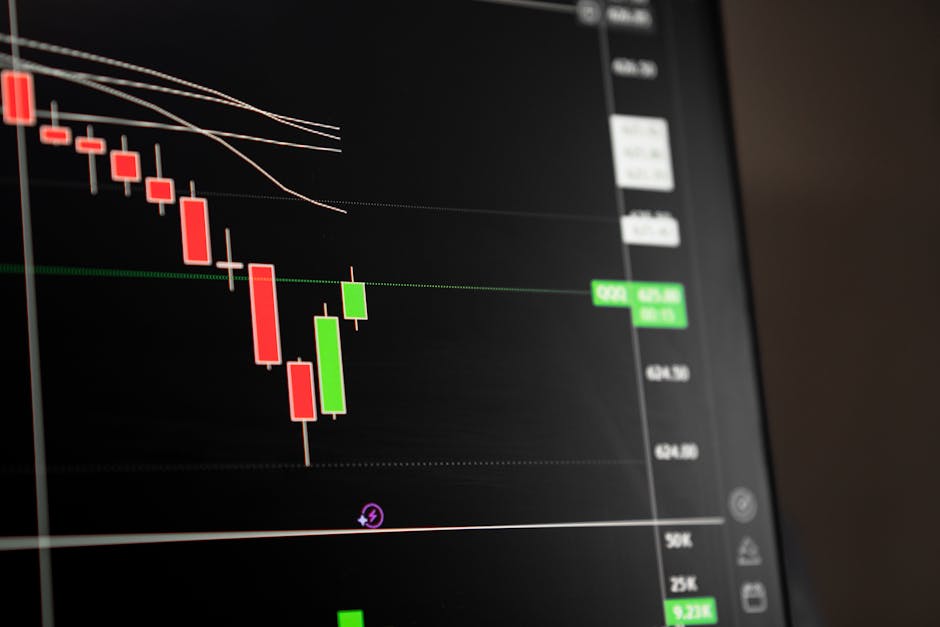
Stop reading ChargePoint alongside Tesla delivery reports — watch FHWA apportionment notices and state DOT solicitation calendars instead.
Who cashes in:
- ChargePoint CHPT — has already been allocated close to $90 million across roughly 150 NEVI-backed sites spanning 21 states, and every additional state DOT award directly seeds forward hardware and network-service revenue. ChargePoint's post-restructuring survival case leans on winning a disproportionate share of the next wave of state solicitations, not on retail same-store charging growth.
- Tesla TSLA — its Supercharger network and NACS connector standard have become the default spec many states reference in NEVI plans, and Tesla can bid for public-corridor awards using a business line entirely insulated from its consumer delivery numbers.
- General Motors GM and Ford F — both co-invest in NEVI-adjacent charging build-out (dealer network chargers, fleet corridors) and benefit indirectly when federal dollars de-risk the charging backbone their EV buyers depend on, even as their own delivery volumes gyrate quarter to quarter.
Who is exposed: ChargePoint CHPT cuts both ways here — it's the name most levered to procurement upside, but also the name most exposed if a state pauses, re-scopes, or slow-walks its NEVI solicitation, since CHPT's balance sheet has far less cushion than Tesla's to absorb a lumpy public-sector sales cycle. Rivian RIVN, dependent on public fast-charging availability to make its trucks and SUVs viable for buyers without home charging, is exposed if state-level NEVI rollouts stall, since it has no charging-network revenue line of its own to offset a slower buildout.
The play / what to watch: Stop reading CHPT alongside Tesla delivery reports. Watch FHWA NEVI apportionment notices and individual state DOT solicitation calendars instead — those are the actual catalysts. A state opening a new funding round, or FHWA releasing the next fiscal year's formula apportionment, tells you more about ChargePoint's near-term revenue trajectory than any monthly EV-sales tracker will.
Source: original report ↗
Free: catalyst alerts, straight to your inbox.
Get the White House orders, federal contracts, and FDA decisions that move money — with who cashes in — free. Unsubscribe in one click.
Free · weekly · unsubscribe anytime. Privacy.
Stay three moves ahead of every practice in your market.
Knowing it happened is table stakes. Money Racket Pro hands you the play — what each move means for your margins, your license, and your patients, and exactly what to do about it — in a two-minute brief, twice a week. The owners who read it never get blindsided.
Get the edge · $40/moJoin the owners who run ahead of the industry. Cancel anytime, one click.