
The mechanism: Section 30D's Foreign Entity of Concern rule (26 CFR § 1.30D-6) says a clean vehicle loses its entire $7,500 credit if its battery contains critical minerals or components sourced from a "foreign entity of concern" — in practice, anything traceable to Chinese ownership, control, or licensing. Treasury's 2024 final rule let automakers temporarily exclude "impracticable-to-trace" materials (low-value minerals buried deep in the supply chain) from FEOC scrutiny, but that transition relief runs out at the end of 2026. At the same time, the required critical-minerals and battery-component percentages that must be sourced domestically or from free-trade partners step up — 70% in 2026 rising toward 80% in 2027. The result isn't a demand shock for EVs. It's a supply-chain vise: automakers must lock in contracts with the handful of vendors who can document non-FEOC provenance, and there are only a few of them, so those vendors gain pricing power that has nothing to do with how many EVs actually sell.
Who Actually Supplies the FEOC Loophole in EV Battery Sourcing
As Treasury's transition relief for "impracticable-to-trace" battery materials expires at the end of 2026, automakers don't need a cheaper supplier — they need a non-Chinese one, and that scarcity is the trade.
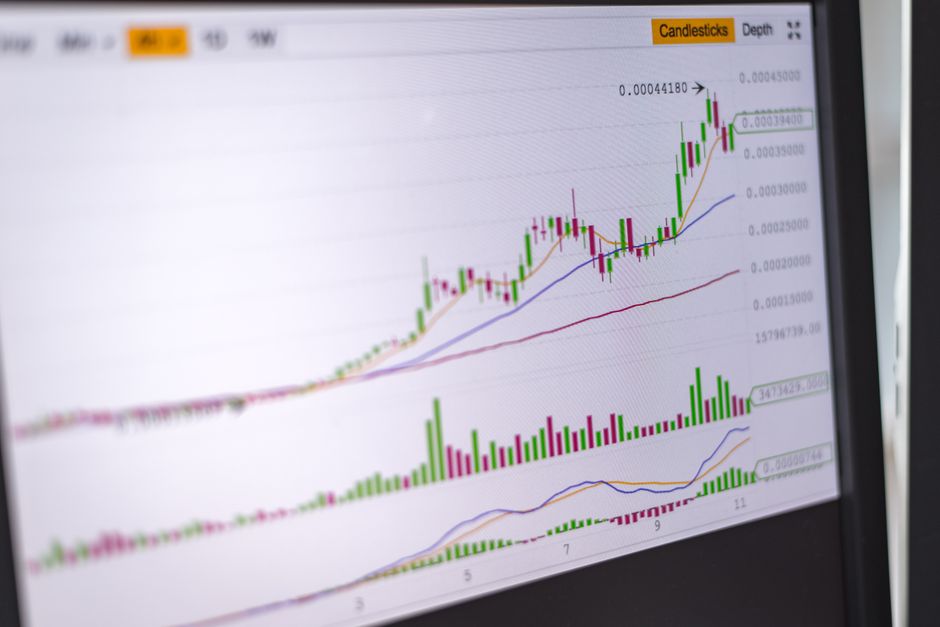
The trade isn't who sells the most EVs — it's who can hand Detroit a chain-of-custody document before the FEOC exemption expires.
Who cashes in:
- MP Materials MP — the only integrated rare-earth miner-to-magnet producer on U.S. soil, running Mountain Pass, California mine-to-metal with a new Fort Worth, Texas magnet facility. It has already landed a Department of Defense price floor (~$110/kg NdPr) and a confidential long-term supply agreement with a major automaker specifically because its neodymium-praseodymium oxide never touches a Chinese entity. That's not an EV-demand trade — it's a "you literally cannot get a 30D-compliant magnet elsewhere" trade.
- Albemarle ALB — its Kings Mountain, North Carolina and Silver Peak, Nevada lithium assets are unambiguously domestic and FEOC-clean, giving it what analysts have called a structural "Western premium" over Chinese lithium converters even in a depressed lithium-price environment. Automakers scrambling to hit the 2026-2027 critical-minerals thresholds need Albemarle's paperwork trail as much as its tonnage.
- Freeport-McMoRan FCX — copper isn't named in FEOC battery rules directly, but EV motors, charging infrastructure, and grid buildout all lean on domestic copper, and Freeport is the largest U.S. producer sitting outside any China-linked ownership structure — a quieter beneficiary of the broader "de-risk the supply chain" mandate.
Who is exposed:
- Tesla TSLA, GM (GM), Ford F, Rivian RIVN — all four are net payers in this trade, not winners. Every automaker now has to re-underwrite battery contracts around FEOC compliance, likely at higher input costs, to keep the $7,500 credit alive for buyers. Ford and GM's LFP ambitions lean partly on licensed Chinese cathode technology (CATL-style licensing structures), the exact structure the FEOC "licensing arrangement" test was written to catch.
- ChargePoint CHPT — not a battery-materials name, but as an EV-adoption proxy it's exposed if credit uncertainty and cost pass-through slow vehicle volumes, without benefiting from the sourcing squeeze at all.
The play: This isn't an EV-adoption bet — it's a scarcity bet on the two or three companies that can hand an automaker a clean chain-of-custody document before the impracticable-to-trace exemption disappears. Watch for new offtake agreements from MP Materials and Albemarle timed to the 2026 year-end deadline; each signed contract is effectively a toll booth on every automaker's tax credit.
Source: original report ↗
Free: catalyst alerts, straight to your inbox.
Get the White House orders, federal contracts, and FDA decisions that move money — with who cashes in — free. Unsubscribe in one click.
Free · weekly · unsubscribe anytime. Privacy.
Stay three moves ahead of every practice in your market.
Knowing it happened is table stakes. Money Racket Pro hands you the play — what each move means for your margins, your license, and your patients, and exactly what to do about it — in a two-minute brief, twice a week. The owners who read it never get blindsided.
Get the edge · $40/moJoin the owners who run ahead of the industry. Cancel anytime, one click.