
Lede: No LNG terminal ships a single molecule without two FERC certificates, not one. Everyone watches the Section 3 export authorization and the terminal's own Section 7 certificate — the visible, headline-grabbing approvals for Cheniere, Plaquemines, Golden Pass. But gas has to physically arrive at the terminal fence line first, and that requires a separate Natural Gas Act Section 7 certificate for the feedgas pipeline lateral — the pipe connecting interstate trunklines to the plant. That docket sits with the pipeline operator, not the terminal owner, and it moves on its own timeline, through its own environmental review, its own landowner easements, its own compressor-station permits. FERC's 2026 pipeline docket is stacked: Kinder Morgan's Mississippi Crossing and South System Expansion 4 (~3.4 Bcf/d combined) await certificate orders, and its new Texas Access Project is explicitly designed to feed Woodside's Louisiana LNG terminal. Williams just won FERC approval for its 55-mile Southeast Supply Enhancement project on Transco. Feedgas demand is projected to hit 19.8 Bcf/d in 2026, up 19% year-over-year, and every incremental Bcf needs pipe before it needs a terminal. The certificate that gates the buildout isn't the one with the terminal's name on it.
The FERC Docket Nobody Reads: How Pipeline Certificates Quietly Pick LNG's Winners
Before an LNG terminal ships a cargo, its feedgas pipeline needs its own FERC certificate — and Williams and Kinder Morgan's docket backlogs, not the terminal operators, are the real gating asset in the Gulf Coast export buildout.
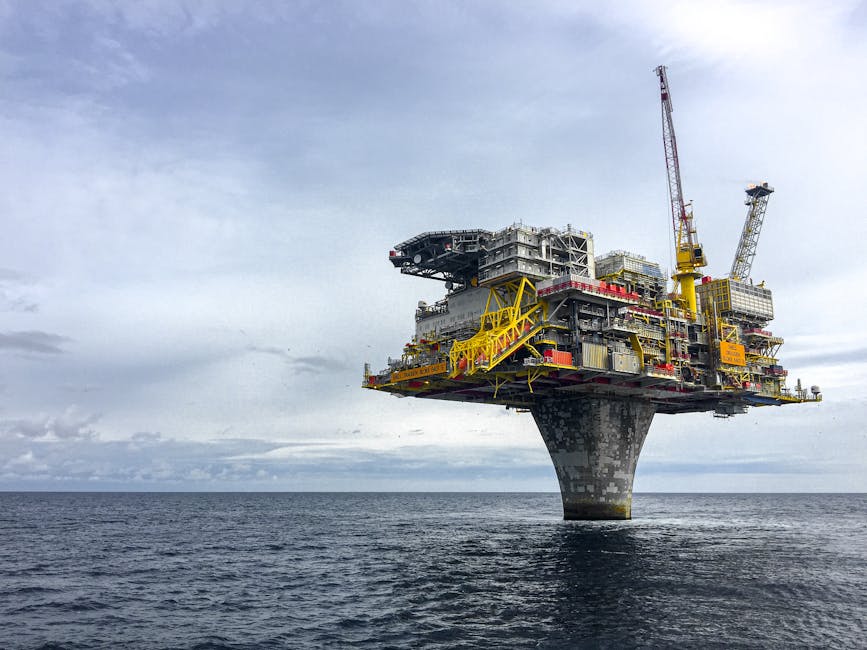
The certificate that gates the buildout isn't the one with the terminal's name on it.
Who cashes in:
- WMB (Williams) — Transco is the largest-volume interstate gas pipeline in the U.S. and the primary Gulf Coast/Southeast feedgas corridor; every certificate FERC grants Transco (Southeast Supply Enhancement, Regional Energy Access reinstatement) is contracted, fee-based capacity locked in before a terminal ever loads a tanker.
- KMI (Kinder Morgan) — controls the Texas-to-Louisiana corridor feeding the Sabine/Calcasieu LNG cluster; its Texas Access Project is named specifically to serve Woodside's terminal, and MSX/SSE4 add multi-billion-cubic-foot capacity riding the same LNG demand wave without KMI taking any liquefaction or offtake risk.
- LNG (Cheniere) — as the incumbent operator with existing certificated feedgas connections at Sabine Pass and Corpus Christi, Cheniere's sunk pipeline access is now a scarcity moat against newer entrants still waiting on FERC dockets.
- HAL / SLB — pipeline compressor-station buildouts (the physical FERC-approved infrastructure) mean sustained midstream service and equipment demand independent of which terminal wins the export race.
Who is exposed: Newer or smaller terminal developers without an affiliated or already-certificated pipeline sponsor face the real bottleneck — a stalled feedgas docket, not permitting on the terminal itself, delays first cargo. COP and OXY, as upstream producers counting on Gulf Coast egress to monetize Permian and Eagle Ford gas, are hostage to whichever pipeline operator's certificate clears first; a slow docket strands their gas behind pipe that isn't there yet.
The play: Track FERC's CP-docket scheduling orders for Williams and Kinder Morgan laterals, not terminal ribbon-cuttings — the pipeline certificate date is the real leading indicator of which LNG terminal ships on schedule.
Sources: FERC natural gas certificate docket process, Kinder Morgan Texas Access Project for Woodside LNG, Transco Southeast Supply Enhancement approval.
Source: original report ↗
Free: catalyst alerts, straight to your inbox.
Get the White House orders, federal contracts, and FDA decisions that move money — with who cashes in — free. Unsubscribe in one click.
Free · weekly · unsubscribe anytime. Privacy.
Stay three moves ahead of every practice in your market.
Knowing it happened is table stakes. Money Racket Pro hands you the play — what each move means for your margins, your license, and your patients, and exactly what to do about it — in a two-minute brief, twice a week. The owners who read it never get blindsided.
Get the edge · $40/moJoin the owners who run ahead of the industry. Cancel anytime, one click.