
The lede: The Pentagon has spent five years and roughly $3 billion trying to buy its way to a domestic alternative to TSMC — and Intel Foundry is the only company it has to spend that money on. Since 2021, the Defense Department's RAMP-C program (Rapid Assured Microelectronics Prototypes – Commercial) has paid Intel to qualify its Intel 18A process for defense chips, and in September 2024 Commerce and the Pentagon converted that relationship into a $3 billion "Secure Enclave" award — trusted, leading-edge domestic capacity reserved for national-security silicon. That's real money moving because Washington decided it will not let the world's most advanced logic chips be made only in Taiwan. But RAMP-C's defense industrial base customers (Boeing, Northrop Grumman, Microsoft, IBM, Nvidia among them) are still running prototypes, not production volumes. Foundry economics need billions of wafers, not a handful of trusted-fab tape-outs — which means Intel Foundry's survival now hinges on whether DoD procurement converts pilot programs into recurring, at-scale orders.
Intel Foundry's Real Customer Might Be the Pentagon, Not Silicon Valley
The Pentagon's RAMP-C and Secure Enclave programs are the hidden variable in whether Intel Foundry's multi-billion-dollar bet on trusted domestic chipmaking actually pays off.
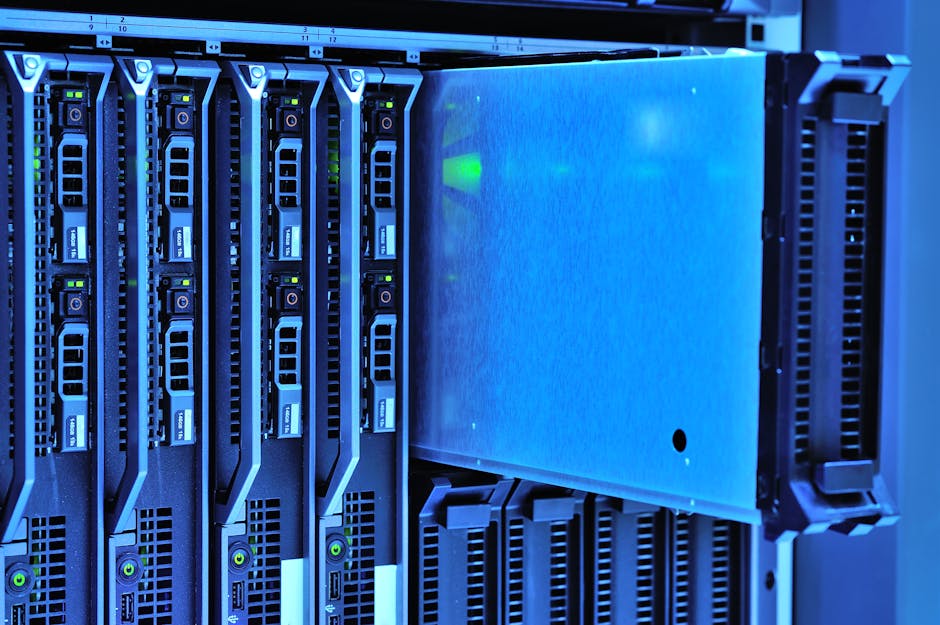
Foundry economics need billions of wafers, not a handful of trusted-fab tape-outs — Intel Foundry's survival now hinges on whether DoD procurement converts pilot programs into recurring, at-scale orders.
Who cashes in:
- INTC — Intel is the direct beneficiary: government money de-risks the 18A ramp at Fab 52 in Arizona while it chases commercial foundry customers, and every incremental defense order lowers the utilization threshold Intel needs to hit breakeven on a fab that cost tens of billions to build.
- AMAT — Applied Materials sells the deposition and etch tools that fill out a leading-edge U.S. fab; each new domestic capacity buildout, defense-driven or not, is a direct order book add for Applied's process equipment.
- LRCX — Lam Research supplies etch and deposition tools central to advanced-node and packaging capacity; a second geography of leading-edge fab construction (beyond Arizona's existing build) is incremental tool demand regardless of who eventually operates it.
- KLAC — KLA's inspection and metrology tools are non-negotiable for qualifying a new node for defense-grade reliability; trusted-fab programs demand exhaustive process verification, which is KLA's core business.
Who is exposed:
- TSM — TSMC is the incumbent the entire "trusted domestic foundry" push is designed to route around; every dollar of DoD volume that lands at Intel instead of TSMC Arizona is a dollar TSMC doesn't get, even as TSMC remains the far larger and more proven foundry.
- INTC (the flip side) — Intel is also the risk case: if DoD prototype programs never convert to production-scale orders, and commercial foundry customers stay lukewarm, the billions sunk into 18A capacity sit underutilized and the foundry division keeps bleeding cash on its own turnaround timeline.
The play: This isn't a demand story yet — it's a procurement-conversion story. RAMP-C has been running since 2021 and is still in prototype phases; the number that matters is when (or if) DoD line items shift from R&D/prototype funding to production contracts at volume. Watch DoD budget justification documents and USASpending.gov for Intel Foundry contract modifications, and watch Intel's foundry-segment revenue disclosures for a DIB customer line that actually shows up in dollars, not press releases.
Information for investors, not personalized investment advice.
Source: original report ↗
Free: catalyst alerts, straight to your inbox.
Get the White House orders, federal contracts, and FDA decisions that move money — with who cashes in — free. Unsubscribe in one click.
Free · weekly · unsubscribe anytime. Privacy.
Stay three moves ahead of every practice in your market.
Knowing it happened is table stakes. Money Racket Pro hands you the play — what each move means for your margins, your license, and your patients, and exactly what to do about it — in a two-minute brief, twice a week. The owners who read it never get blindsided.
Get the edge · $40/moJoin the owners who run ahead of the industry. Cancel anytime, one click.