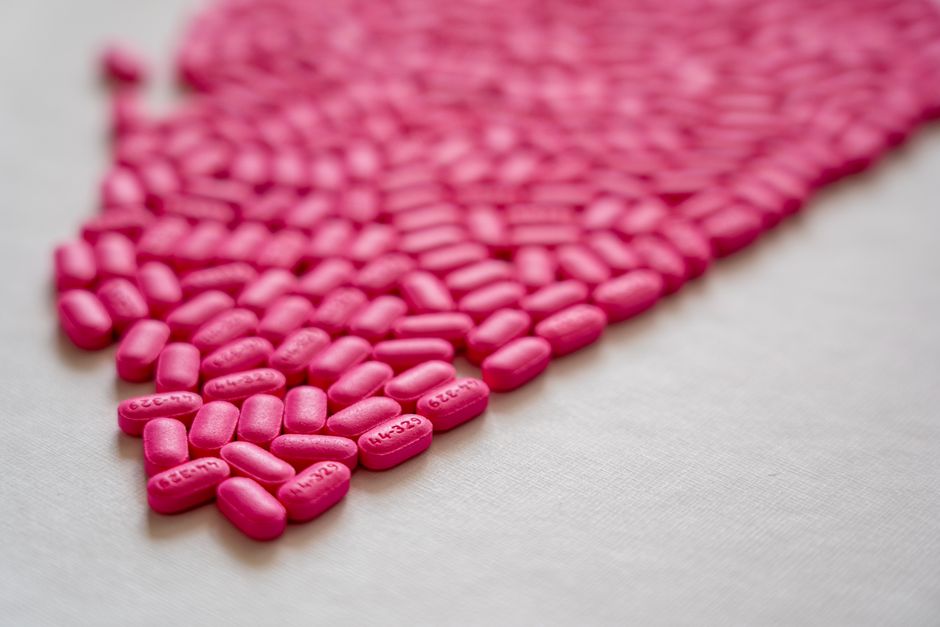
The mechanism: On April 2, 2026, the White House invoked Section 232 to slap a 100% tariff on imported patented pharmaceuticals and their active ingredients — but built in an escape hatch. Companies that sign onshoring-manufacturing commitments plus most-favored-nation pricing deals pay 0% through January 2029; onshoring-only gets 20%, rising to 100% by 2030. Generics and biosimilars are exempt "at this time" — except Commerce must report back within one year on whether to extend the tariff regime to them. That review clause, not the headline 100% number, is the actual trade. Wall Street priced the tariff news as a branded-pharma story. It isn't. LLY, MRK, and PFE already cut the deal that neutralizes it. The unpriced risk sits one rung down the supply chain, in generic and API-dependent names with no onshoring leverage and no pricing chip to trade.
Healthcare
The Pharma Tariff Story Wall Street Got Backwards
Branded pharma bought its way out of Section 232 tariffs with onshoring and pricing deals — the real exposure sits with generic and API-dependent manufacturers who have no such leverage.