
The Catalyst
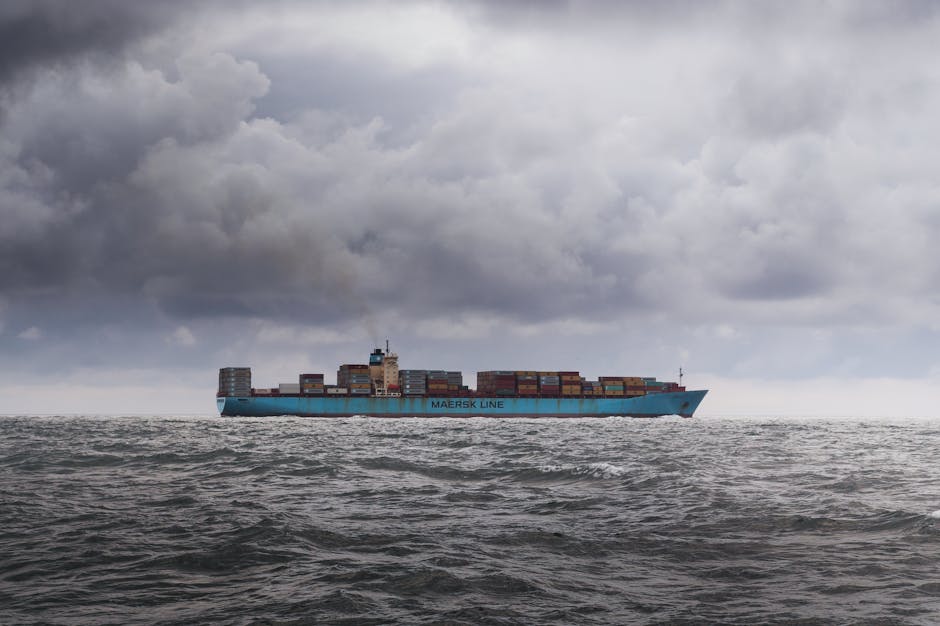
Washington imposed sweeping reciprocal tariffs in April 2025, and Beijing answered with a 10% retaliatory duty stacked on top of the existing 3% MFN rate on U.S. soybeans — a 13% total penalty versus Brazil's clean 3%. The math rewrites trade flows in real time. China, the world's largest soybean importer, needed the beans but not the price. Brazil didn't wait to be asked. By late 2025, it had captured 73.6% of China's soybean import volume, up from 71% the year prior, with monthly export surpluses running 10.7% above historical norms. This isn't a temporary dislocation — it's a structural reroute baked into a multi-year tariff gap, and the infrastructure that routes South American soybeans to Chinese ports is where the money quietly accumulates.