
When President Biden signed the Prohibiting Russian Uranium Imports Act into law on May 13, 2024 (P.L. 118-62), he set a clock ticking on a supply chain that American nuclear utilities had quietly depended on for decades. Russia had been supplying roughly 20% of the enriched uranium flowing into U.S. commercial reactors — the processed, reactor-ready fuel that keeps the lights on. The ban, which runs through 2040 with limited DOE waiver authority expiring in 2028, forces every U.S. utility operating a nuclear fleet to recontract outside Russia. That is not a headline risk. It is a structural, multi-decade procurement scramble — and two companies sit directly in the gap.
Energy
The Uranium Supply Squeeze: How the Russian Import Ban Flows to Cameco and Centrus
Washington banned Russian enriched uranium in 2024 — and the two companies best positioned to fill the gap hold real production assets, not just promises.
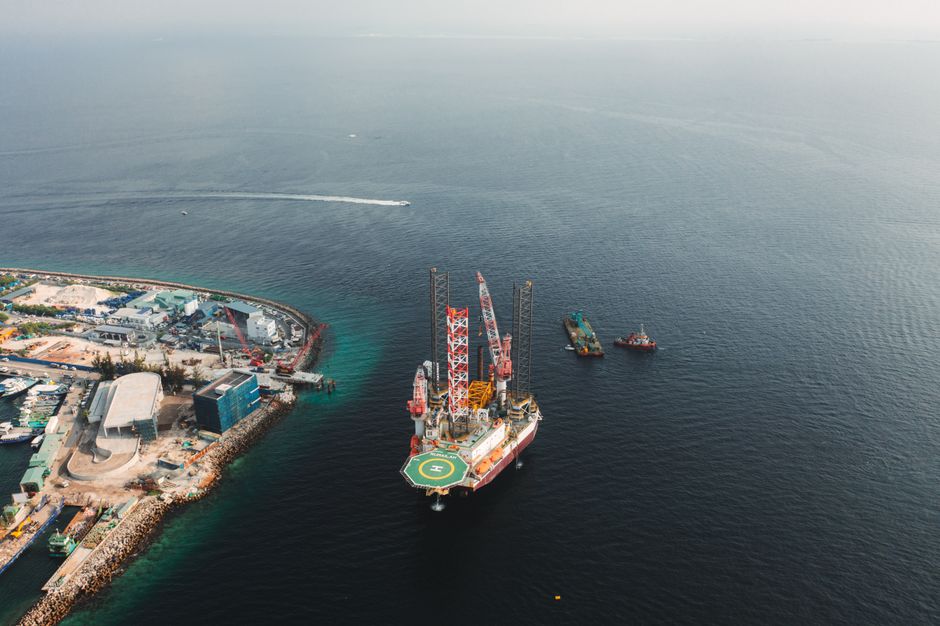
The enrichment bottleneck is where the real pricing power lives — and Centrus holds the only NRC-licensed centrifuge enrichment operation on U.S. soil.
Who cashes in
CCJ (Cameco) — The world's largest publicly traded uranium miner, Cameco owns tier-one mines in Saskatchewan's Athabasca Basin and has been methodically layering in long-term supply contracts as utilities panic-buy. Cameco ended 2025 with roughly 230 million pounds committed under long-term contracts, and recently signed a nine-year, approximately $2.6 billion supply agreement with India. As U.S. utilities hunt for western-sourced concentrate to replace Russian flows, Cameco is one of the very few miners with the scale to absorb demand at pace. Price leverage compounds: term uranium contracts are now being signed well above the floor prices that dominated the post-Fukushima decade.
LEU (Centrus Energy) — Centrus is the only U.S. company licensed by the NRC to enrich uranium on domestic soil using centrifuge technology, operating the American Centrifuge Plant in Piketon, Ohio. The DOE awarded Centrus a share of a $2.7 billion enrichment program in 2024, and in June 2025 extended its HALEU (high-assay low-enriched uranium) production contract through mid-2026. Commercial LEU enrichment capacity is projected online by 2029. In a world where Russian enrichment is legally off the table, Centrus holds a near-irreplaceable regulatory and infrastructure position — the enrichment bottleneck is where the real pricing power lives.
CEG (Constellation Energy) — Constellation operates the largest fleet of nuclear reactors in the United States across 21 reactors. Rather than being hurt by the fuel cost reset, Constellation benefits asymmetrically: it can pass higher fuel costs through long-term power purchase agreements, while its unmatched fleet utilization (98.8% capacity factor in summer 2025) means every dollar of incremental power price flows almost directly to margin. A domestic nuclear renaissance driven by AI data center demand and federal clean energy procurement makes Constellation a structural power-price winner.
Who is exposed
VST (Vistra) — Vistra's nuclear fleet is smaller than Constellation's, and the company carries meaningful natural gas generation exposure. If Russian uranium supply disruption tightens enriched fuel markets faster than domestic alternatives scale, Vistra faces fuel cost headwinds it cannot offset with scale or pricing power the way Constellation can. Near-term recontracting costs bite before new domestic supply arrives.
SMR (NuScale Power) — NuScale's small modular reactor designs require enriched fuel, including in some configurations HALEU, a supply chain that barely exists yet at commercial scale. Project cancellations and cost overruns have already pressured the stock; the enriched uranium bottleneck adds another timeline risk to an already execution-heavy story.
What to watch
Track DOE waiver decisions before the 2028 cutoff — every waiver granted buys Russian supply more time and delays the recontracting urgency. Watch Cameco's term contract book in quarterly filings (SEC Form 6-K) and Centrus' DOE task order renewals (SEC Form 8-K) for evidence that the supply shift is accelerating on schedule. If waivers tighten earlier than expected, both CCJ and LEU reprice before most investors have modeled it.
Source: original report ↗
Free alerts
Free: catalyst alerts, straight to your inbox.
Get the White House orders, federal contracts, and FDA decisions that move money — with who cashes in — free. Unsubscribe in one click.
Free · weekly · unsubscribe anytime. Privacy.
Stay three moves ahead of every practice in your market.
Knowing it happened is table stakes. Money Racket Pro hands you the play — what each move means for your margins, your license, and your patients, and exactly what to do about it — in a two-minute brief, twice a week. The owners who read it never get blindsided.
Get the edge · $40/moJoin the owners who run ahead of the industry. Cancel anytime, one click.