
The U.S. tariff refund portal opened for a second phase of reimbursement submissions, with companies rushing to file ahead of deadlines. FedEx announced it will send tariff refunds to customers starting in August. Nike posted a solid Q4 beat with analysts flagging potential tariff refunds as an additional tailwind. The refunds represent a partial reversal of duties paid during the peak tariff period.
Trade & Tariffs
The Tariff Refund Portal Is Open and Companies Are Cashing In — Nike and FedEx Are the Names to Watch
Tariff refunds flowing back to importers are a one-time earnings tailwind, and the companies with the largest import bills stand to recover the most.
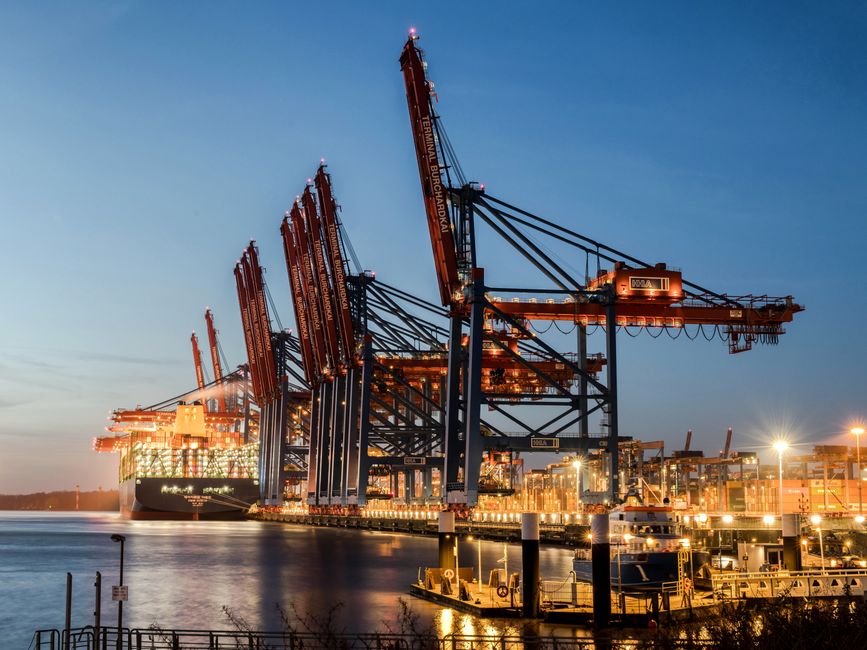
Nike's tariff refund isn't a business improvement — it's a one-time cash recovery that will flatter one quarter's margins and then disappear.
Who cashes in: Nike (NKE) is the most prominent name — it sources heavily from Vietnam and other tariffed countries, meaning its cumulative duty payments are substantial. Even a partial refund flows directly to gross margin in a quarter where the company is already beating estimates. FedEx (FDX) is passing refunds through to customers, which is a goodwill move rather than a direct earnings event, but it reduces customer churn risk and supports volume. Apple (AAPL), which assembles in China and has paid significant duties, has the largest absolute dollar exposure of any U.S. importer — any refund would be material even against its scale. Hasbro (HAS) and Mattel (MAT) are toy companies with heavy China sourcing that have been vocal about tariff costs; refunds would provide meaningful relief relative to their smaller revenue bases.
Who's exposed: The refund process creates a two-tier dynamic — companies that filed early and correctly get cash back, while those that missed deadlines or filed incorrectly get nothing. Smaller importers without dedicated customs compliance teams are most at risk of leaving money on the table. There's no obvious public-market loser here, but the refund tailwind is a one-time item, not a structural improvement — analysts should strip it out when modeling forward margins.
What to watch next: Nike's next earnings call for explicit refund quantification. If management puts a dollar figure on expected refund receipts, it gives the market a clean read on the one-time benefit. Also watch whether the portal's second phase expands eligibility to additional tariff categories — a broader scope means more companies qualify for larger refunds.
Source: original report ↗
Free alerts
Free: catalyst alerts, straight to your inbox.
Get the White House orders, federal contracts, and FDA decisions that move money — with who cashes in — free. Unsubscribe in one click.
Free · weekly · unsubscribe anytime. Privacy.
Stay three moves ahead of every practice in your market.
Knowing it happened is table stakes. Money Racket Pro hands you the play — what each move means for your margins, your license, and your patients, and exactly what to do about it — in a two-minute brief, twice a week. The owners who read it never get blindsided.
Get the edge · $40/moJoin the owners who run ahead of the industry. Cancel anytime, one click.